Note: This is the third installment of a five-part series on bridges. Feel free to read below, but for the full story, please read Part I: Two Bullets at the Latin Bridge and Part II: Stari Most — Rebuilt but Still Broken
Often the best way to remind yourself of your humanity is to come face to face with abject inhumanity, and the scars and legacies the vilest of human actions leave behind. With that in our heads, Ryrie and I pointed our Skoda to Srebrenica.
Pre-war, Srebrenica was a bustling tourist town, with packed hotels housing Yugoslavs and foreign nationals visiting the mountain hamlet for its spring and spa scene. Tucked into verdant hills of eastern Bosnia, the town is home to 48 natural mineral and thermal springs, each with documented, distinct properties and purported health benefits. To address growing demand for medicinal waters, hotels and spas like the famed Banja Guber were built and filled to the brim.
And then the war came.
Before getting to the main town, Ryrie and I stopped — as most do — down valley, at the outpost of Potočari. Before the war it was a factory town, hosting primarily a massive battery factory. Today it’s a graveyard, a place of witness and remembrance to the worst atrocity in Europe post-World War II.
In 1993, as the Srebrenica region came under increasing threat and attack from hostile Bosnian Serb forces, the UN declared the town a “safe area” under protection of UN peacekeepers. For two years, tens of thousands of Bosniak (Muslim) refugees crowded into the enclave, living in rough conditions — forced from home, cramped quarters, often without electricity or water. But they were safe… for a while.
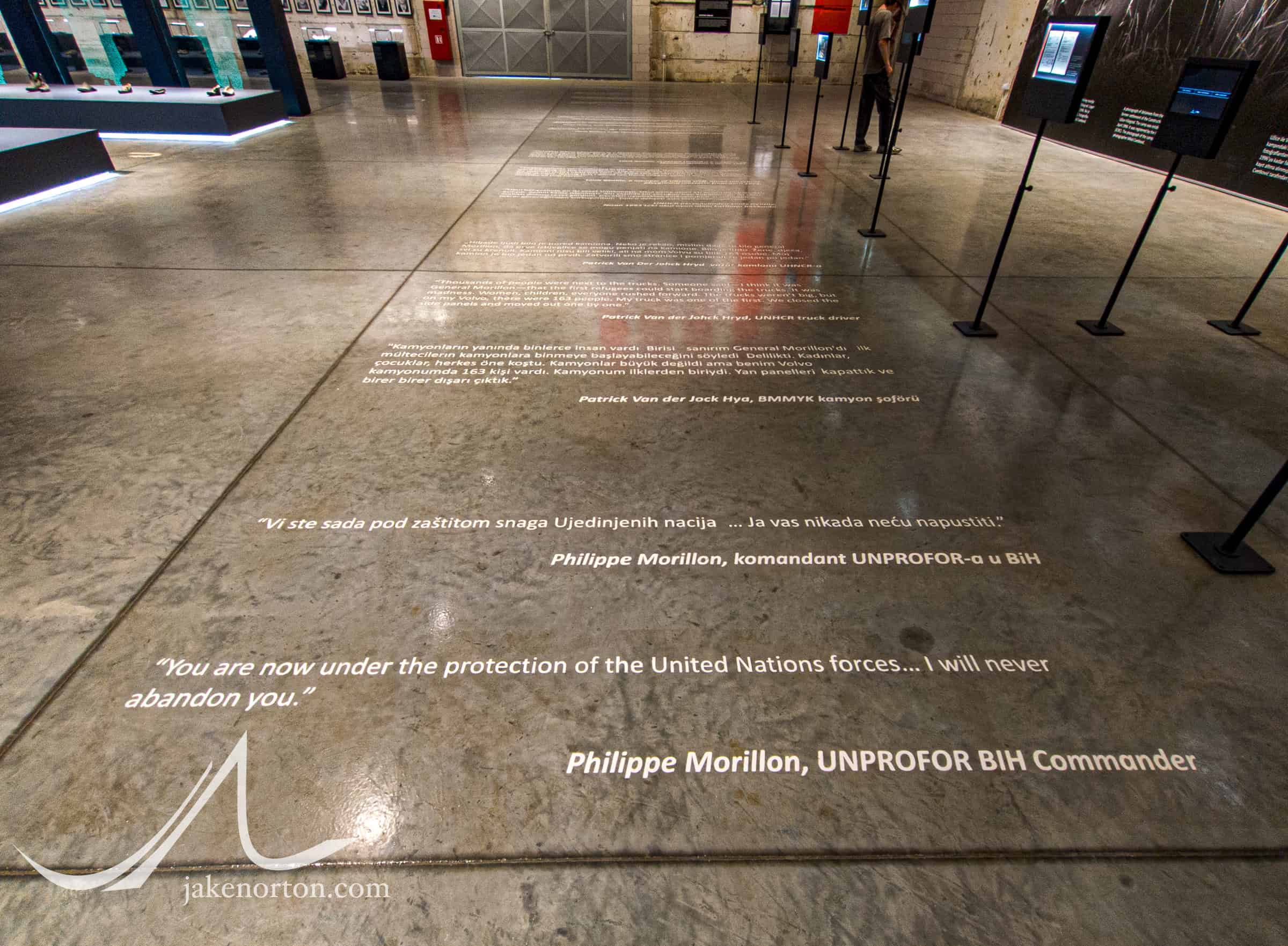
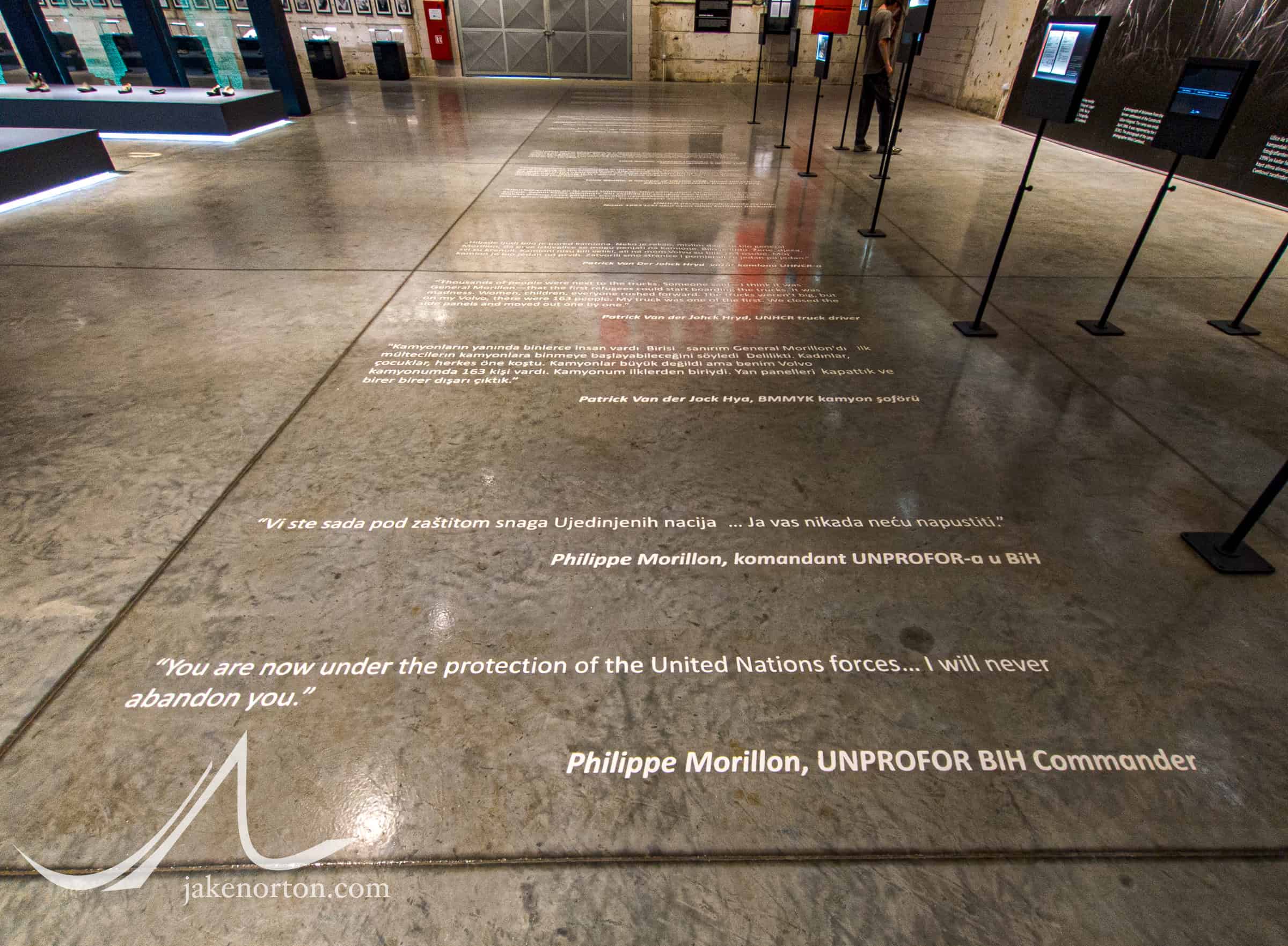
In July 1995, Bosnian Serb forces overran the town, and some 25,000 people fled to Potočari, the base of the UN’s Dutch peacekeepers — a place presumed by thousands to be safe.
But the safe zone was not to be: As Bosnian Serb forces surrounded Potočari, the Dutch peacekeeping team — denied UN air support and outnumbered — caved, handing control of the refugees to the Bosnian Serbs. Under leadership of Ratko Mladić, Serb forces separated men and women, boys and girls. Women, young children, and the elderly were loaded on buses bound for Tuzla, enduring rape, abuse, and terror along the journey. Many men and boys fled to the forest, knowing full well the separation was a death sentence. Those who stayed were bound and shot, dumped into mass graves. The thousands who fled, attempting to reach Tuzla by foot, found themselves shelled, hunted relentlessly, tricked into surrender, and brutally executed; of the 10,000-15,000 who fled, only 3,000 survived. (Read more here and here.) More than 8,000 people, overwhelmingly men and boys, died in what both the ICTY and the International Court of Justice ruled a genocide.
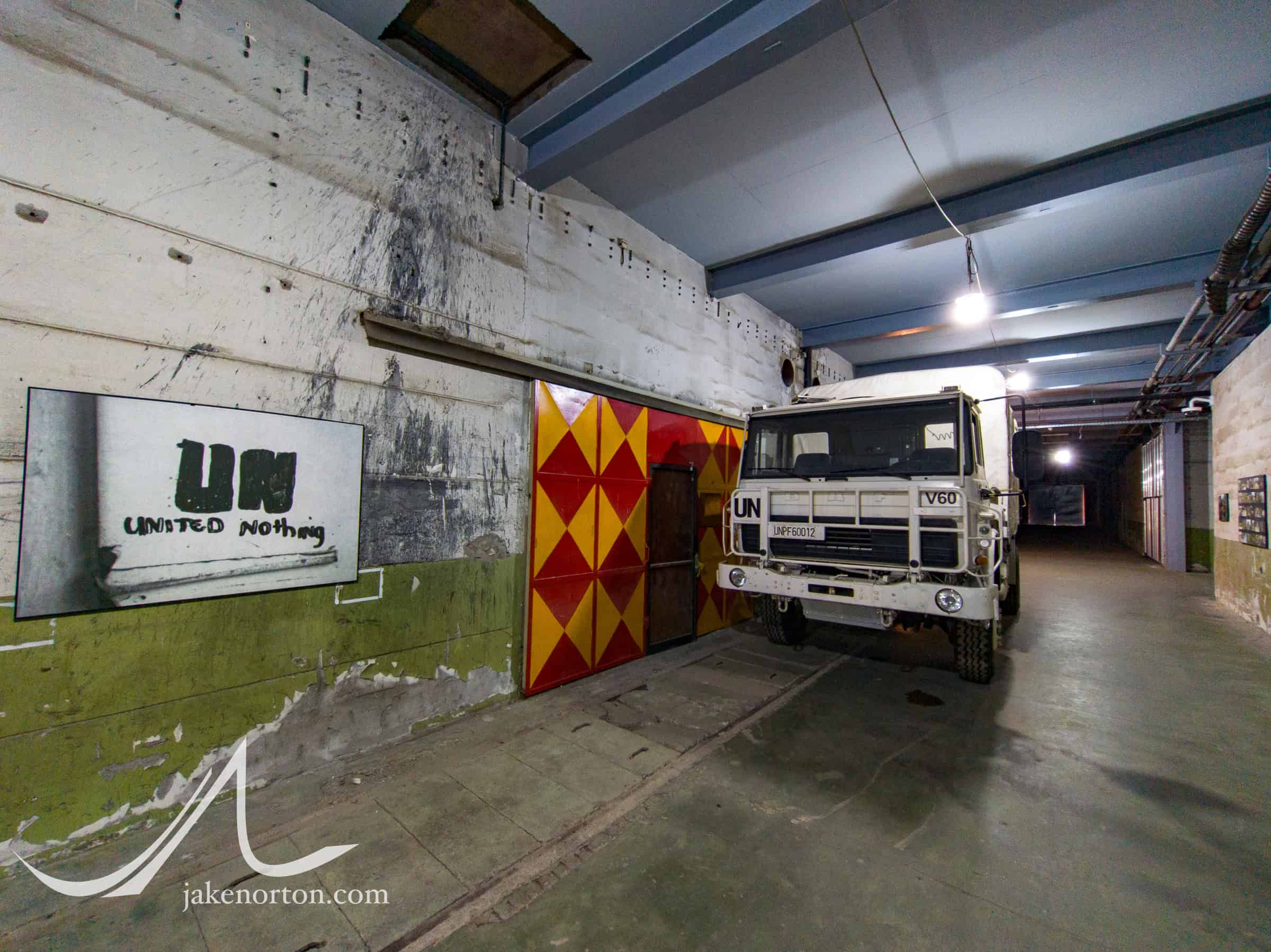
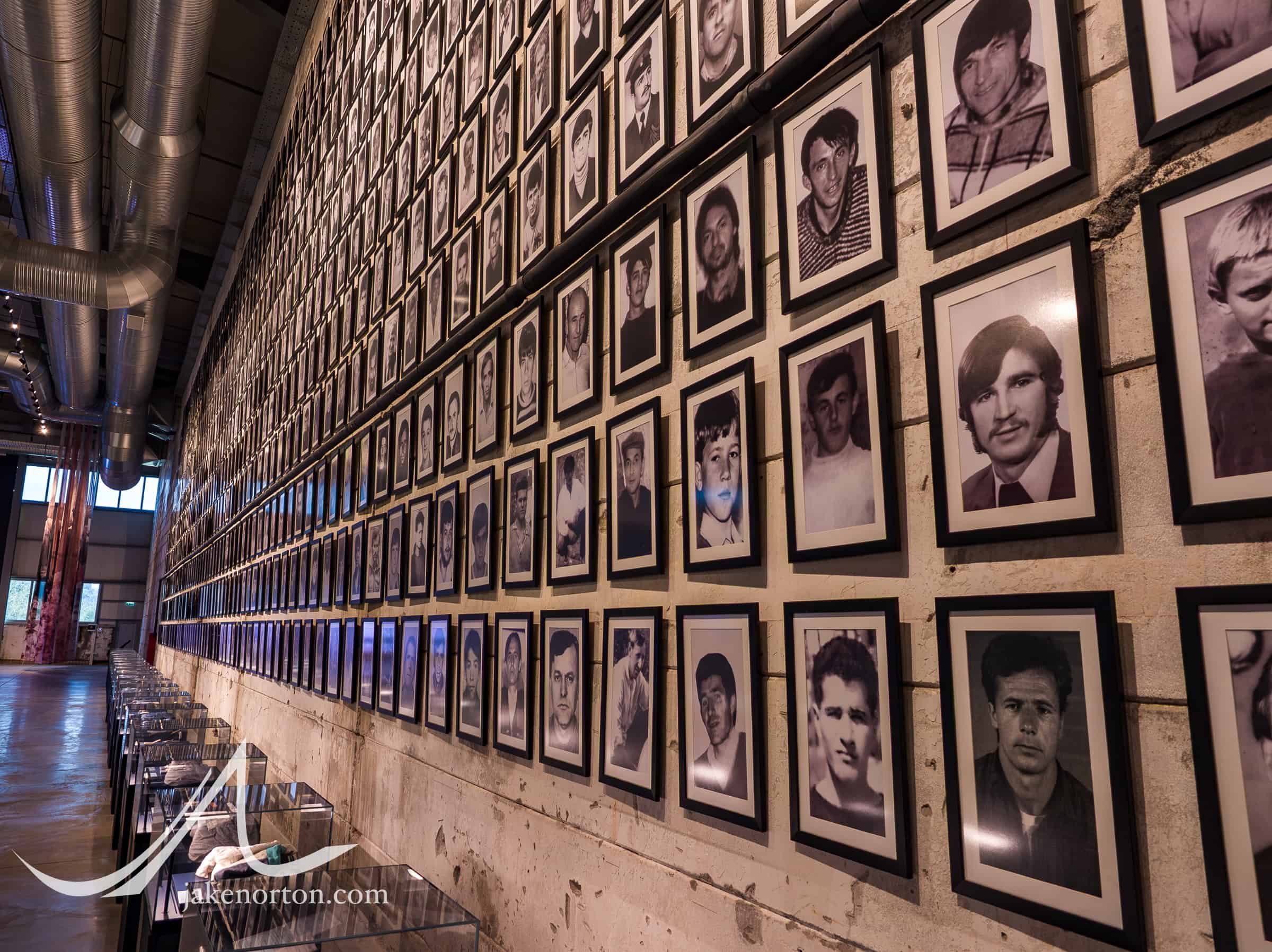
During World War II, Ivo Andrić wrote about the horror that engulfed his boyhood town, Višegrad, in 1914. He could just as easily — perhaps prophetically — have been writing about July 1995, just over the mountains in Srebrenica:
That wild beast, which lives in man and does not dare to show itself until the barriers of law and custom have been removed, was now set free. The signal was given, the barriers were down. As has so often happened in the history of man, permission was tacitly granted for acts of violence and plunder, even for murder, if they were carried out in the name of higher interests, according to established rules, and against a limited number of men of a particular type and belief.
— Ivo Andrić, The Bridge on the Drina, p. 282
Ryrie and I quietly walked the endless rows of tombstones, toured the haunting battery factory (now a museum to the genocide), and attempted to take in the horror of it all.
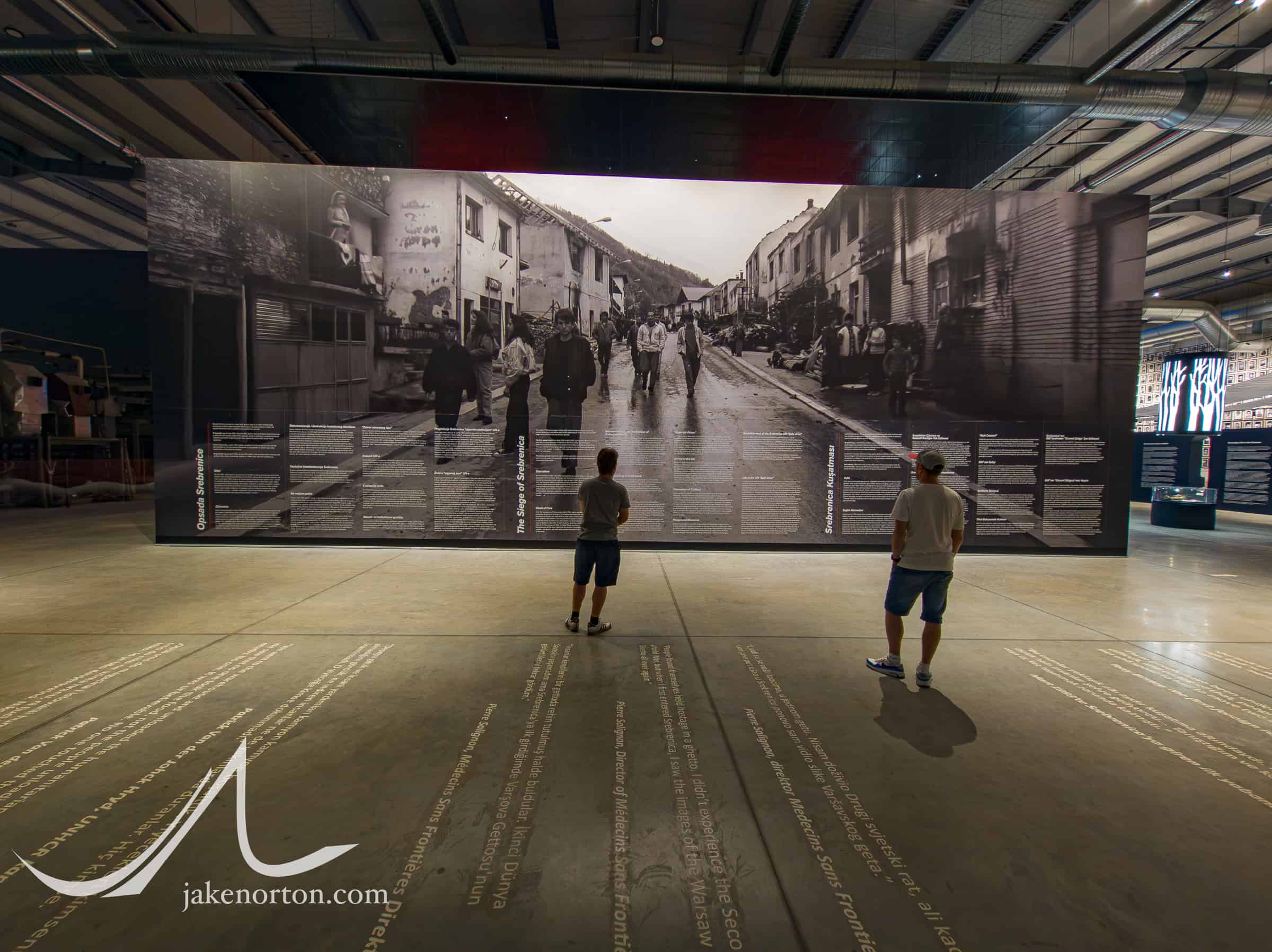
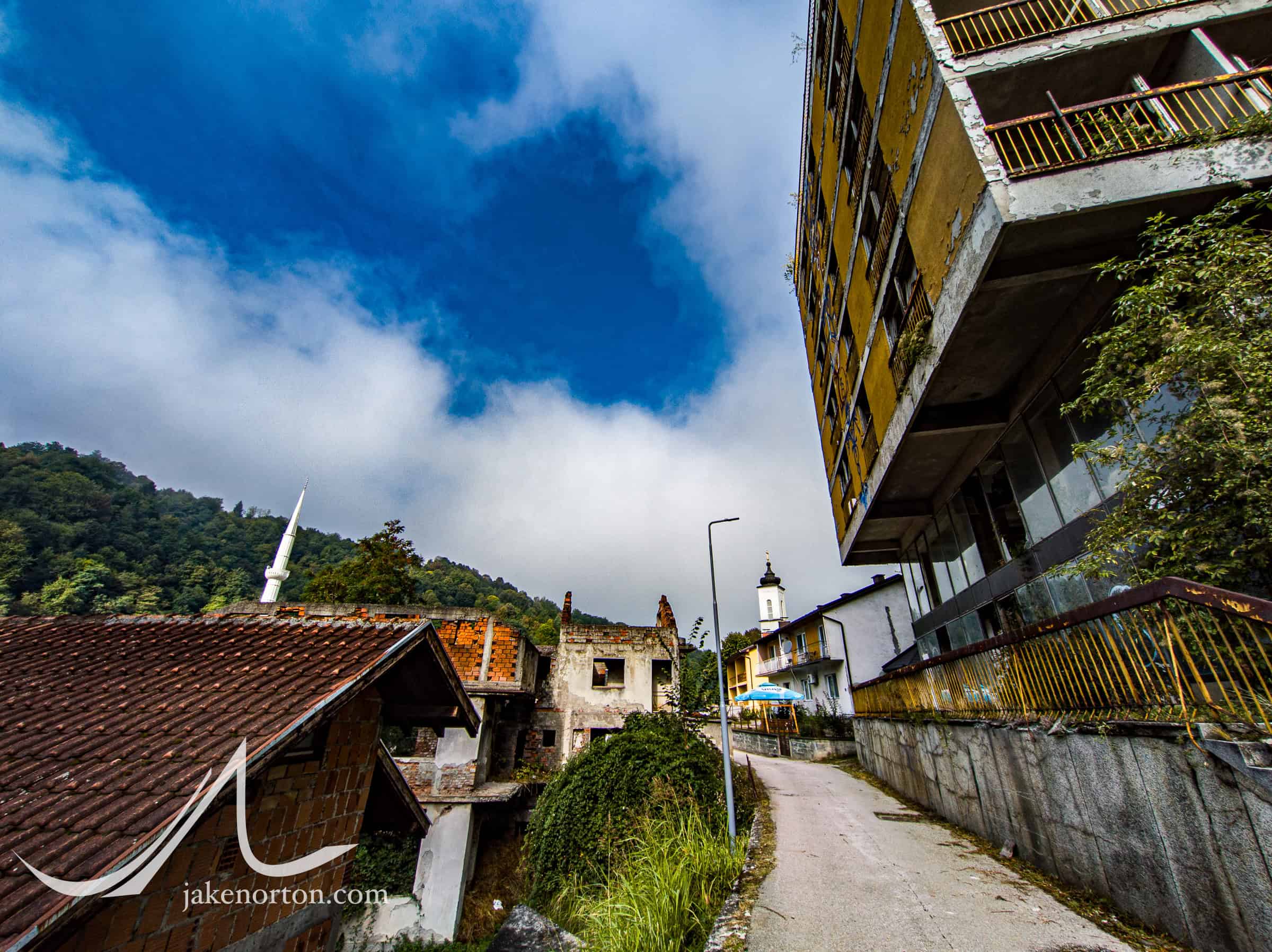
I expected Srebrenica to be even worse. In some ways it was: a pallor of decrepitude hung heavy, sullen streets lined with abandoned hotels, shuttered shops, demolished Bosniak homes, an inescapable, palpable sense of tragedy and loss lurking on every corner.
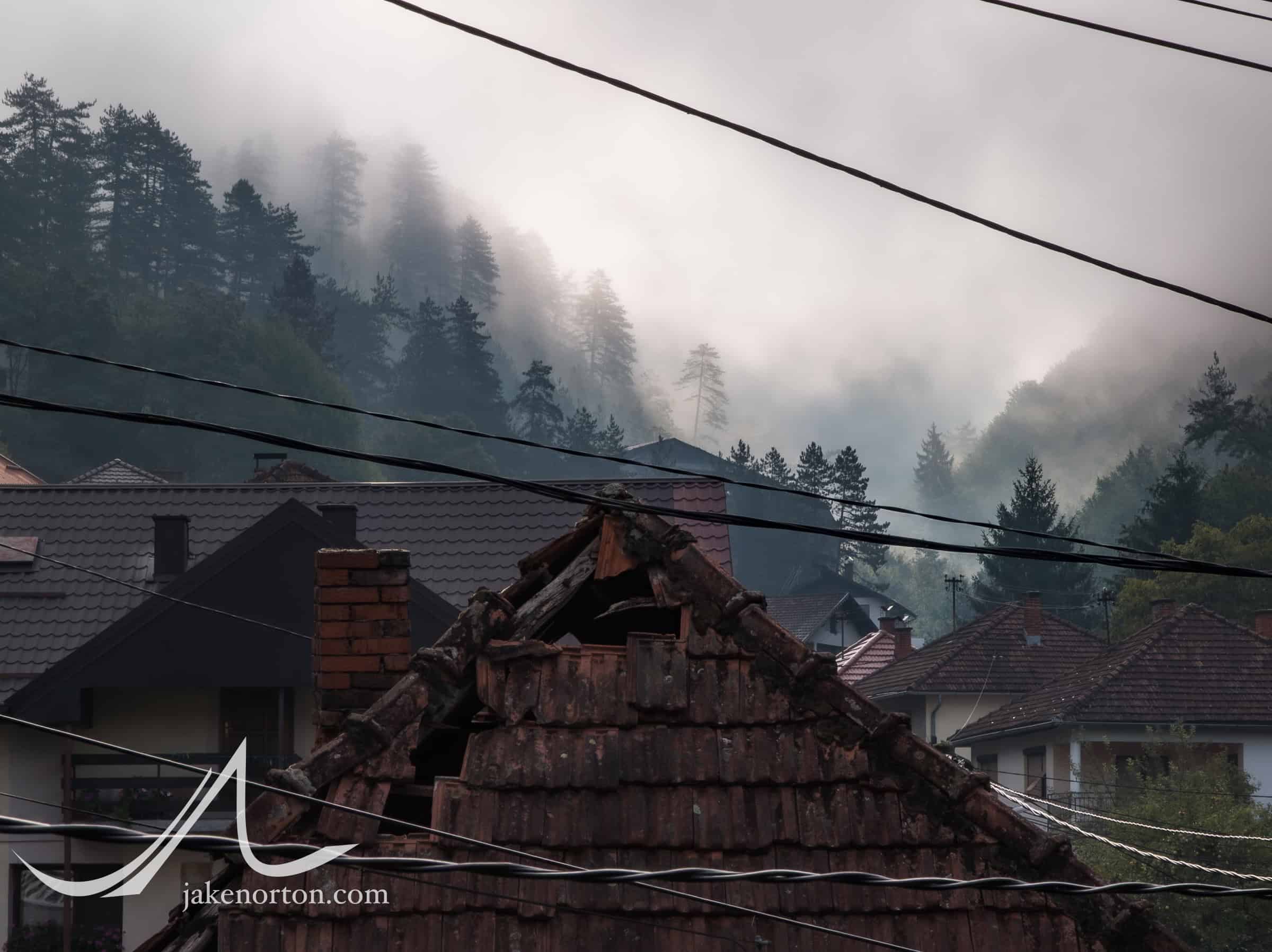
But through the darkness we found a glimmer of light, a shard of hope.
Our home for the night was Mujagin Han, a family home in the heart of town run by Mirsad Siručić and his wife, Belma. Mirsad told us that, in 2000, he and his family were some of the first Muslims to return to Srebrenica and reclaim their family home. He was the only Muslim in high school for all four years. His family suffered immensely during the war, and in its aftermath, and yet he is, more than anything, hopeful. He’s rebuilt his family home — and within it a business and a family — and is working to rebuild at the same time the community that once existed amongst the medicinal mountain springs.
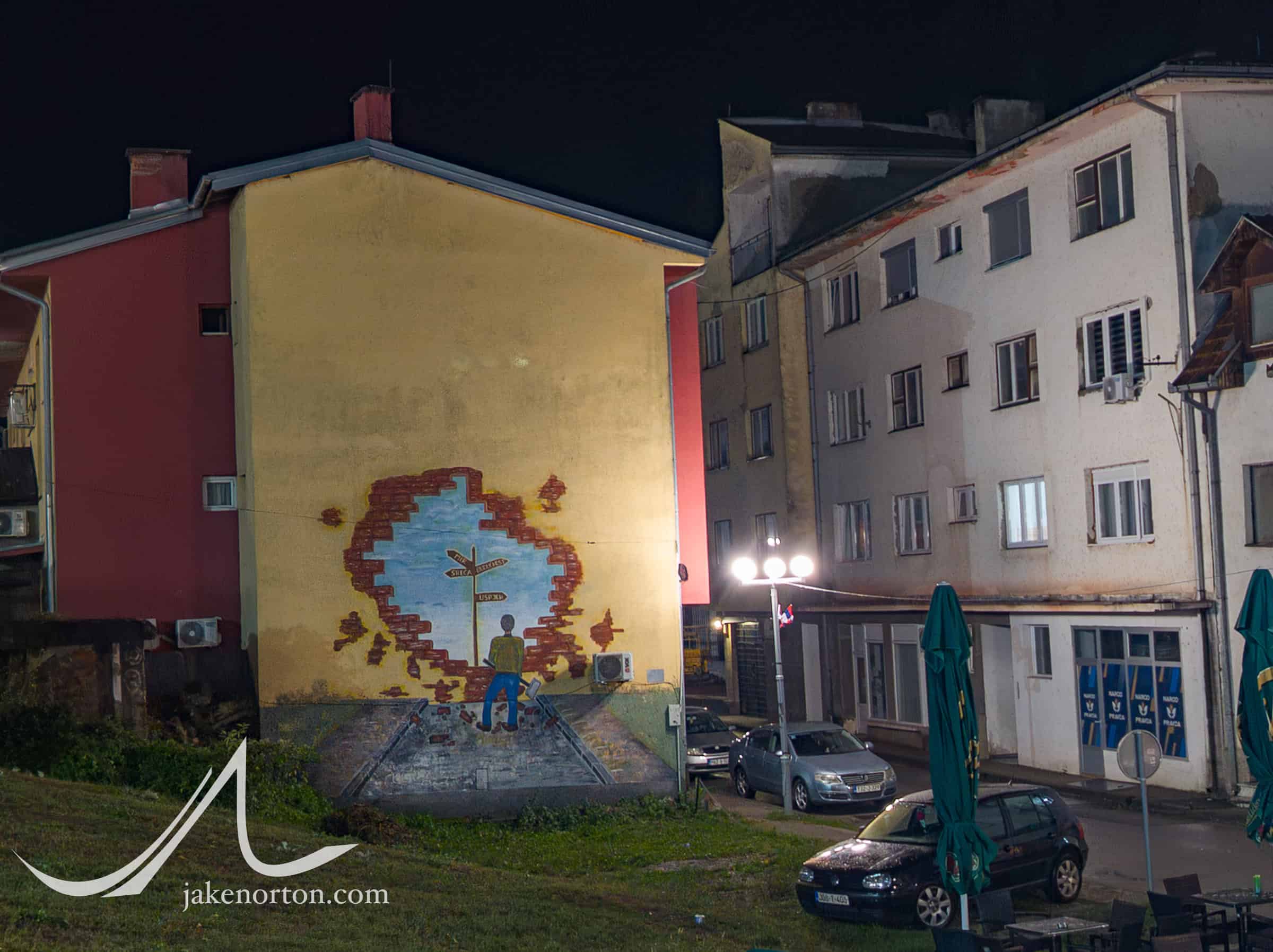
“It’s a beautiful place, Srebrenica,” he told me, somewhat wistfully, over coffee. “There’s a lot of hard memories, awful memories, awful things. But I have hope for the future, for my kids’ futures. People are mostly good. We just live today like we once did, as people, as neighbors.”
Next: Part IV, Višegrad and Tara